Many families start with the same question: who can file a wrongful death lawsuit after a preventable death.
In Ohio, a wrongful death lawsuit is typically filed by the personal representative of the deceased person’s estate, not individual relatives filing on their own.
That representative brings the wrongful death claim on behalf of eligible surviving family members, and any recovery is generally distributed to the beneficiaries recognized under Ohio law.
This structure is designed to keep the claim organized, protect the estate process, and ensure the right family members are included.
A wrongful death attorney can confirm whether you are the proper person to file a wrongful death action or whether the estate needs to appoint a representative first.
Wrongful Death Lawsuits in Ohio
A wrongful death lawsuit is a civil case that seeks accountability when a person dies because of someone else’s negligence, misconduct, or other wrongful act.
These cases are filed in civil court, not criminal court, and the purpose is to recover damages for the losses suffered by the surviving family.
A wrongful death suit may arise from many situations, including negligent driving, unsafe premises, defective products, or medical malpractice.
While every wrongful death case is different, the legal theory often centers on whether the defendant owed a legal duty, whether the defendant breached that duty, and whether that breach caused the death.
Who is Eligible to File a Wrongful Death Lawsuit in Ohio?
State laws vary widely on who has legal standing to file a wrongful death lawsuit and how priority among potential claimants is determined.
Some states allow multiple family members to file directly, while others restrict filing authority to a single legal party acting on behalf of all beneficiaries.
For example, some states require the lawsuit to be filed by the personal representative, meaning the executor or administrator of the deceased person’s estate, on behalf of all beneficiaries.
In California and Texas, adult children may file wrongful death claims even if they were not financially dependent on the deceased. In many states, parents may file claims for a deceased minor child, and for a deceased adult child only if there is no surviving spouse or children.
Other jurisdictions may allow extended relatives, legal guardians, or financially dependent individuals to bring a claim when no immediate family members are available.
Ohio follows a more structured approach.
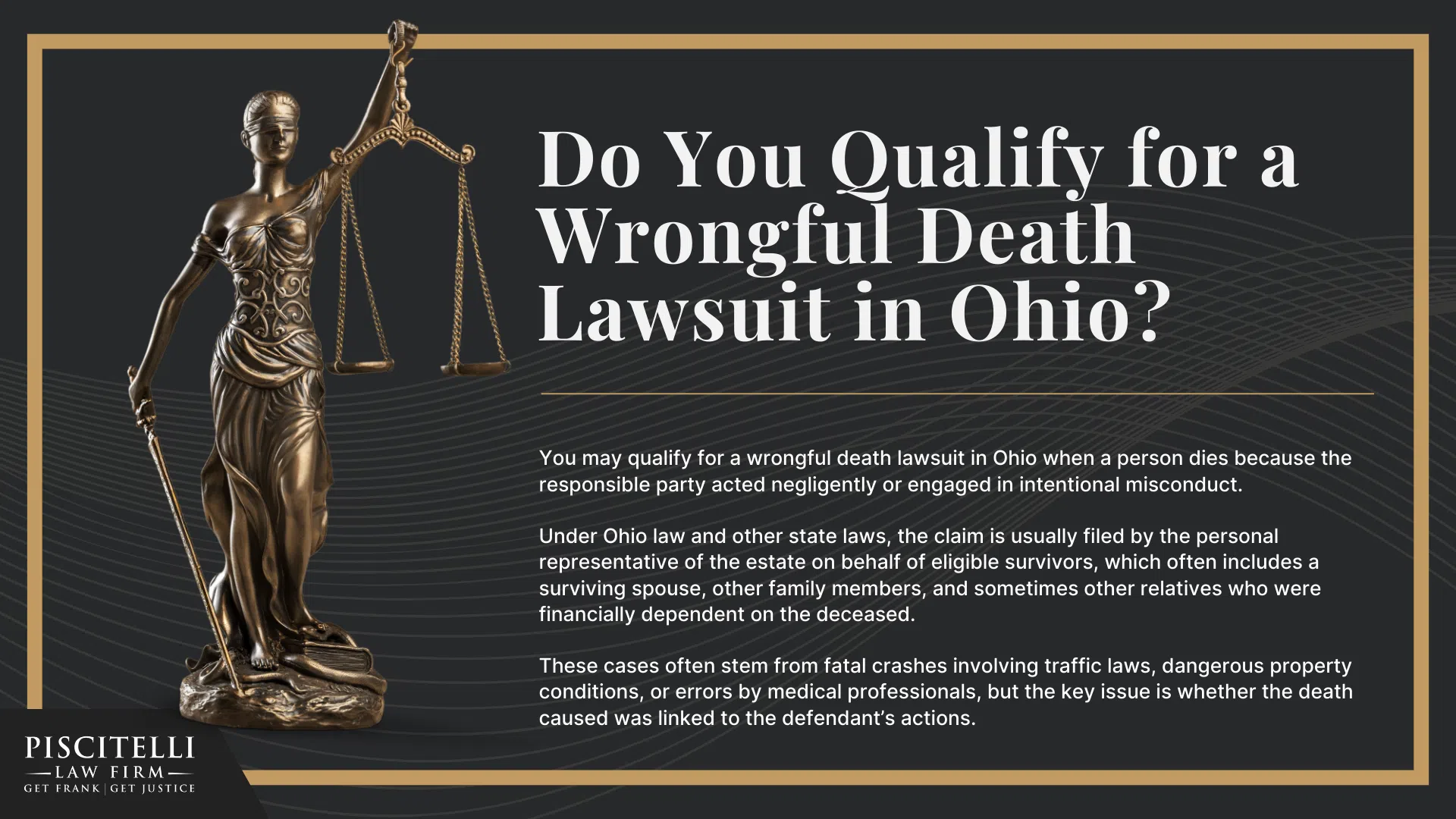
Under Ohio law, a wrongful death lawsuit must be filed by the personal representative of the deceased person’s estate, and the claim is brought for the exclusive benefit of the surviving beneficiaries.
In Ohio, the party eligible to file the wrongful death lawsuit is:
- The personal representative of the deceased person’s estate, either an executor named in a will or a court-appointed administrator
While only the personal representative files the claim, Ohio law presumes that certain family members have suffered compensable losses.
These beneficiaries typically include the surviving spouse, children, and parents, with the court responsible for determining how any recovery is distributed based on the evidence of each person’s loss.
If estate disputes, appointment issues, or disagreements among beneficiaries arise, they can delay the case and complicate distribution.
Early legal guidance helps confirm proper filing authority and keeps the claim aligned with Ohio’s statutory requirements from the outset.
Statute Of Limitations for Wrongful Death Cases
Ohio has a strict deadline for filing a wrongful death action, and missing it can permanently bar the family from pursuing recovery.
In most Ohio wrongful death cases, the lawsuit must be filed within two years of the date of death, and the court will generally not make exceptions just because the family is grieving or the estate is still being handled.
That timeline is controlled by the wrongful death statute, which means the filing window is enforced even when probate appointments, insurance negotiations, or investigations are still unfolding.
Because the estate process and the legal investigation often run at the same time, waiting to “sort things out” can create real risk.
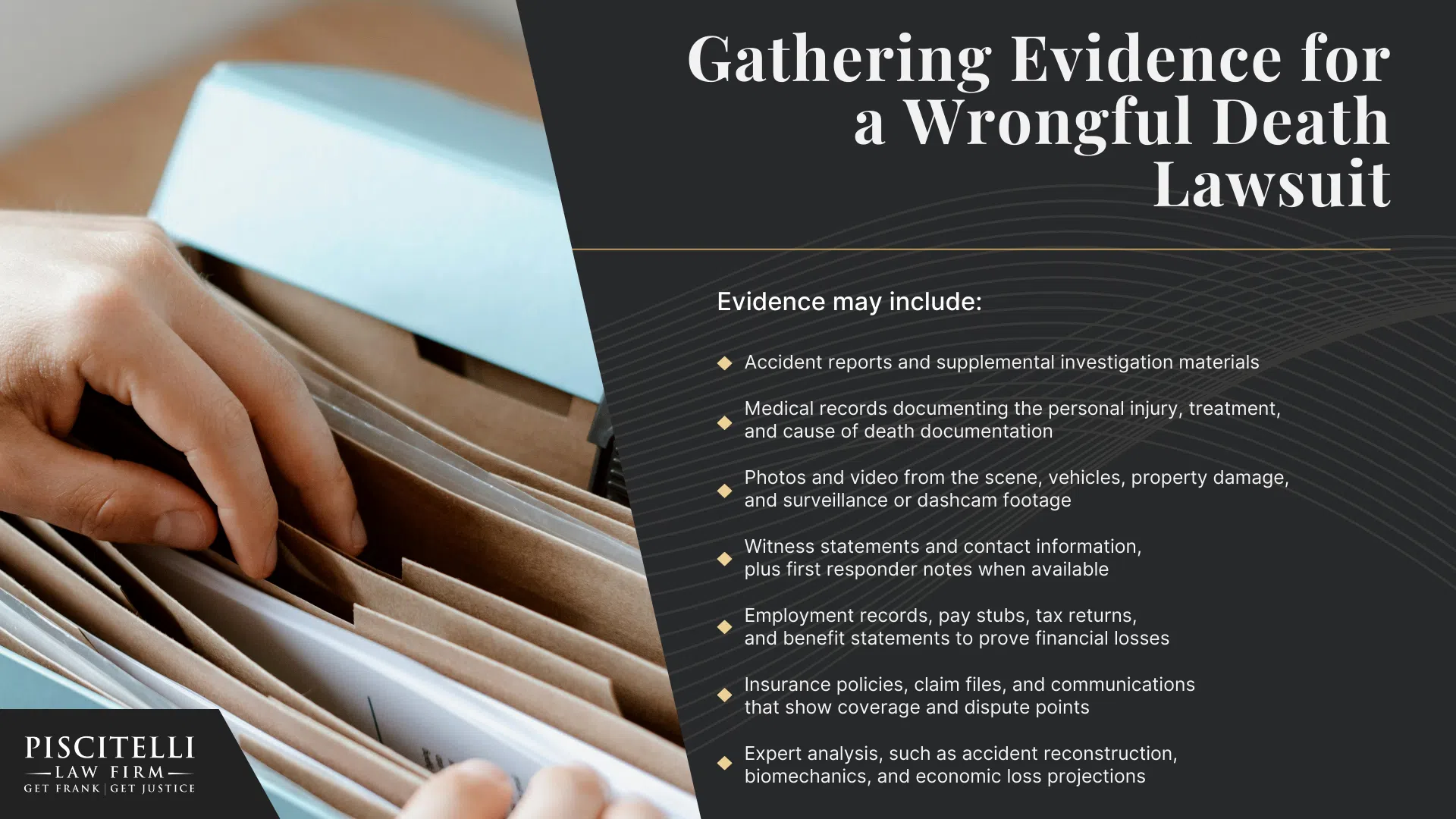
Evidence can disappear, surveillance footage can be overwritten, and witness memories fade.
Delays can also make it harder to secure key records, including medical documentation, incident reports, and communications that show what happened and why.
A wrongful death attorney can confirm the correct deadline for your situation, make sure the proper party is authorized to file, and begin preserving evidence early so the case is positioned as strongly as possible.
Types Of Recoverable Damages in Wrongful Death Claims
A wrongful death claim can seek compensation for both financial and personal losses caused by the death.
Recoverable damages may include:
- Medical expenses related to the final injury or illness
- Funeral and burial costs
- Loss of the deceased person’s income and financial support for the family
The claim may also include damages for the loss of companionship, care, guidance, and the emotional impact of the death on surviving family members.
In certain cases, punitive damages may be available when the conduct was particularly reckless or egregious, though that depends on the facts and the law.
An experienced wrongful death attorney will document losses carefully so the claim reflects what the death truly cost the family, not just the obvious bills.
Common Examples of Wrongful Death Cases
Wrongful death cases often arise from preventable incidents where a person or company failed to follow basic safety rules or professional standards.
Common examples include:
- Fatal car and truck crashes
- Workplace accidents
- Dangerous property conditions
- Defective products
- Medical malpractice leading to a fatal outcome
Some cases involve nursing home neglect, delayed diagnosis, or surgical errors where the defendant breached a clear legal duty of care.
Others involve intentional misconduct or extreme negligence that turns an avoidable incident into a death lawsuit.
No matter the cause, wrongful death actions focus on proving the wrongful act, tying it to the death, and pursuing compensation that helps the family move forward.